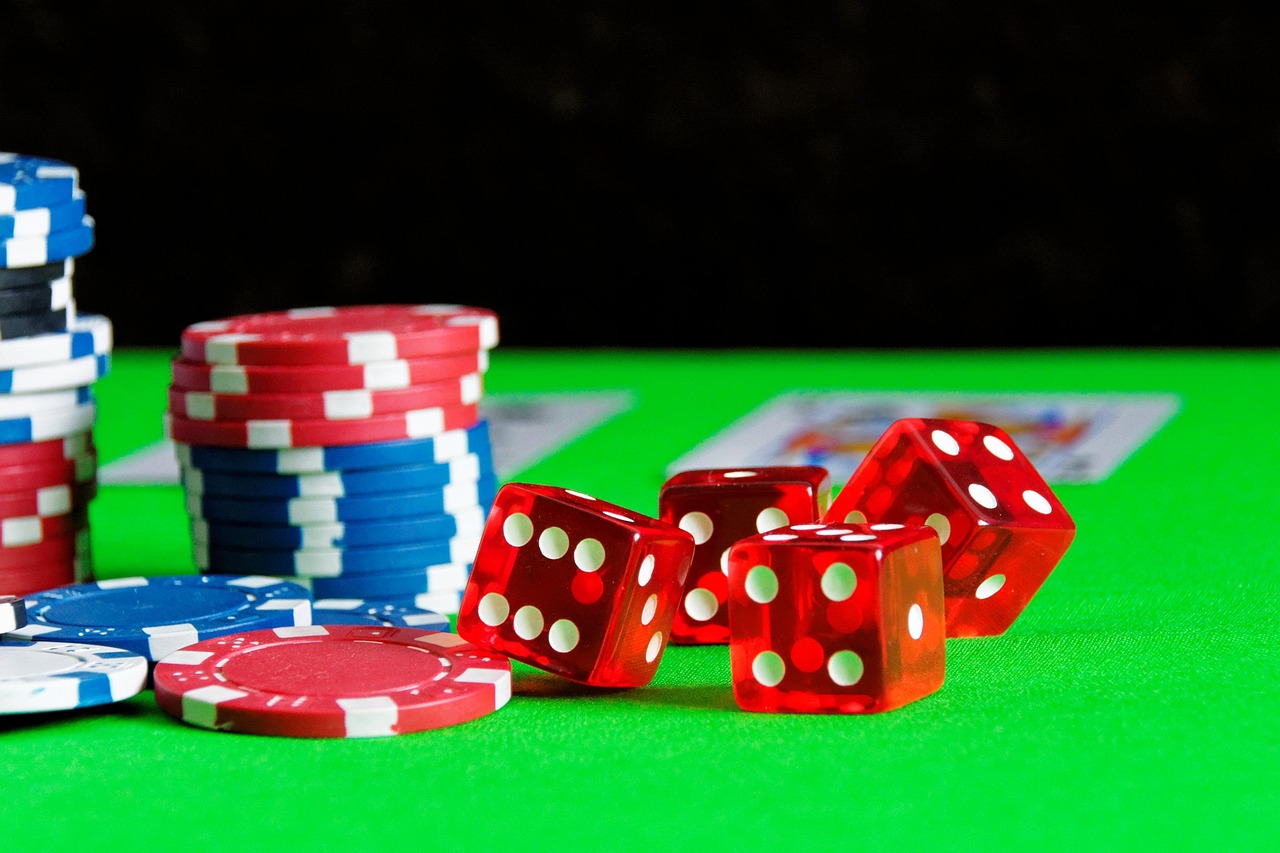


Every gambler eventually has the same conversation with themselves. You are down two buy-ins at the blackjack table, or your slot balance just vanished on a bonus round that paid less than your original bet. In that moment, the obvious explanation is bad luck. And maybe it was. But if you keep finding yourself in that spot, the problem is probably not luck at all. It is the way you are choosing and sizing your bets.
Most betting advice online is either useless platitudes ("only gamble what you can afford to lose") or dangerous fantasy ("this system beats the house"). Neither helps you actually understand what is happening when money leaves your account. The truth is less dramatic, considerably more mathematical, and, once you grasp it, far more useful. Anyone weighing up options should see สล็อตเว็บตรง.
Let's get concrete. A game of blackjack played with basic strategy and reasonable rules sits at a house edge of roughly 0.5%. American roulette runs at 5.26% because of that double zero. European roulette drops to 2.7%. A pass-line bet in craps is about 1.4%. And most modern video slots fall somewhere between 2% and 10%, depending on the game's RTP.
That single percentage point or two is not a minor detail. Over a few hundred hands or spins, the difference between a 1% game and a 6% game is the difference between bleeding slowly and getting gutted. Say you wager $10,000 total at a table or machine. At 1%, your expected loss is $100. At 6%, it is $600. Same bankroll, same time, wildly different outcome.
Here is what experts mean when they talk about "opportunity cost" in betting: every hour you spend on a high-edge game is an hour you could have spent on a low-edge one. You will never outrun the edge itself. The only real decision you make is which edge you are ready to fight.
Ask a slot player what they want and they will say "big wins." Ask a slot developer and they will tell you what you actually want is volatility that suits your bankroll. Two machines can both list a 96% RTP and behave nothing alike. One, a low-volatility game like many classic three-reel titles, will trickle out small wins frequently and rarely pay more than 20x your bet. Play a high-volatility machine like a Megaways or bonus-buy style slot and you might see 30 dead spins in a row before a single hit pays 400x.
The mistake most players make is choosing based on the bonus feature screenshots rather than their actual stamina for dry spells. Practical guidance:
Also stop betting one line at a time on multi-line slots. Two dollars spread across 20 lines is not the same as two dollars on one line, and the maximum bet button is not a strategy.
Here is where the conversation shifts. In pure games of chance like slots and roulette, the math is fixed and your only edge comes from selecting better games. Poker is different because you are playing against other people, not the house. The house just takes a rake and waits. That means a competent poker player can actually be profitable long-term, though the percentage of truly winning players online is often cited at under 10%.
Sports betting sits somewhere in between. The bookmaker's margin, or vig, is your fixed tax. But line shopping, avoiding bad promotions, and understanding closing line value (CLV) give sharp bettors a real path to a small edge over thousands of bets. If your average bet's implied probability is worse than the closing line more than 50% of the time, you are almost certainly a losing bettor, even if you have had a hot month.
A short list of habits that separate long-term winners from tourists:
Something rarely discussed on affiliate blogs: online casino software is built to maximize not just your spending, but your inability to stop. Autoplay, turbo spin, one-tap deposit presets, and animated near-miss effects all exist for a reason. Near-miss displays, where two bonus symbols land and the third barely misses, light up the reward centers in your brain just enough to keep you spinning.
Industry data has repeatedly shown players lose significantly more per session on slots with autoplay engaged versus those spinning manually. This is not a moral judgment. It is a design fact. If you regularly use autoplay while watching television, you are likely wagering 3x to 5x more per hour than players who spin consciously. That multiplies your expected loss by the same factor.
The fix is not amateur discipline tips like "hold your breath before every spin." It is mechanical. Turn autoplay off by default in your account settings. Set deposit limits at the operator level, not just in your head. Withdrawal your winnings within an hour of a big hit, before the balance feels like your money again.
Casinos do not offer bonuses out of generosity. A 100% match up to $500 with a 35x wagering requirement is effectively a loan you pay back through play, and the expected value flips positive only for skilled bonus hunters who use low-edge games like blackjack or certain video poker variants. If you are burning bonus funds on slots with a 5% house edge, the bonus is often worth less than the emotional cost of grinding it out.
Likewise, VIP programs are loyalty programs. Supermarkets have them too. They reward spend. They are not a signal that you have cracked the code.
None of this means you should not play. Gambling can be genuinely entertaining, and the psychological value of a night at the felt is real. But the players who actually enjoy this hobby over decades, instead of draining themselves in a year, are the ones who treat it as a cost of entertainment with a known price tag. Know your edge, size your bets, and walk away while the math still makes sense. The house never has to tilt. You do not have to either.

Gate & Furrow shares practical, down-to-earth guidance on british kitchen gardening and allotment growing for readers across the UK.


Leave A Comment